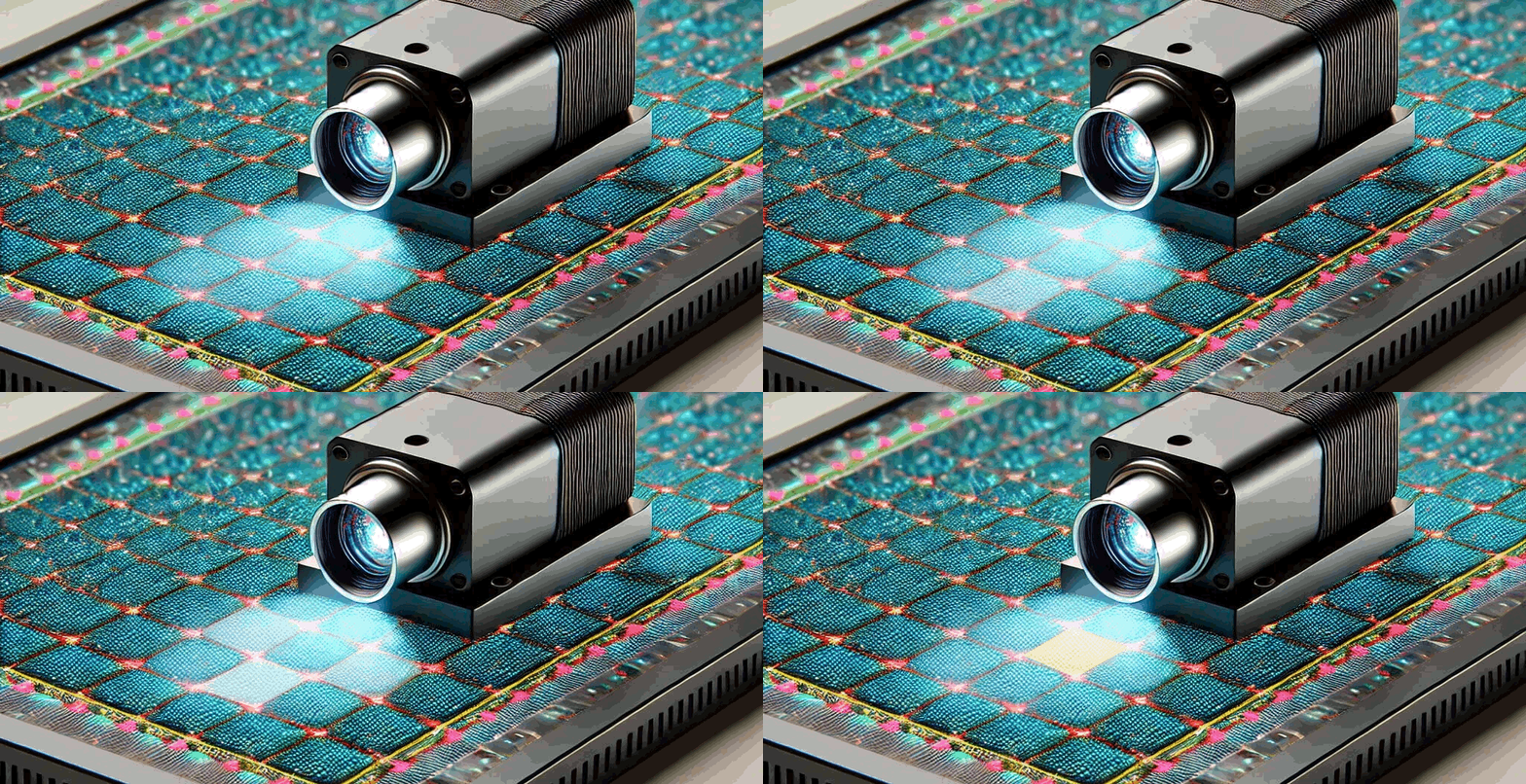
Sensor reading pixel patterns from screen
R&D Project by SeenLabs

PxlMeter

Physical Proof-of-Play for DOOH

Every pixel tells a story. Ours tells the truth.

We're building hardware that physically verifies your ad played on screen. A photosensor reads invisible patterns embedded in your content — if the screen shows it, we know it. No logs to fake. No screenshots to stage. Just physics.

Prototype Ready Limited pilot program open
Request Pilot Kit →
See It In Action

Two minutes that explain everything. How the encoding works, what the sensor sees, and why it matters.

The Trust Gap in DOOH

The US DOOH market hit $10.9B in 2024*. Networks lose 5-15% of revenue to makegoods when they can't prove delivery. Advertisers want proof. Current methods don't cut it.

$10.9B US DOOH Market 2024
26% of advertisers cite verification as top concern
5-15% revenue lost to makegoods

Player Logs

Software says it played the file. But software can lie. Logs report what should happen, not what did. A crashed player, a frozen screen, a power outage — the log might still say "delivered."

Screenshots

A screenshot proves you have the file. It doesn't prove the screen was on. It doesn't prove the right content played at the right time. It's a snapshot of potential, not proof of delivery.

Camera Monitoring

Point a camera at every screen? Expensive. Privacy nightmare. Doesn't scale. And you're still trusting image recognition software to interpret what it sees.

The gap is physical. There's no hardware verifying that light left the screen. That your content — your specific, scheduled, paid-for content — actually displayed. We're filling that gap.

* Sources: OAAA/Magna 2024, IAB DOOH Buyer Survey

Our Approach

If you want proof something happened in the physical world, you need a physical witness.

A Sensor That Actually Sees

PxlMeter is hardware. A small photosensor that mounts behind the screen, invisible to viewers, watching the actual light output. Not the signal going in — the photons coming out.

We embed an invisible binary pattern in each content frame during encoding. Imperceptible to human eyes, but readable by the sensor. When the screen displays your content, the sensor sees the pattern, decodes it, and logs verified proof-of-play.

Wrong content? Pattern mismatch. Screen off? No signal. Player frozen? Sensor knows immediately. Real-time alerts, not next-day reports.

Where We Are

  • Prototype hardware — built, tested, working
  • Pattern encoding — invisible to viewers, readable by sensor
  • Decoding algorithm — real-time signal processing
  • Validation engine — schedule matching, anomaly detection
  • Basic dashboard — logs, reports, alerts
  • Real-world network deployment — that's where you come in
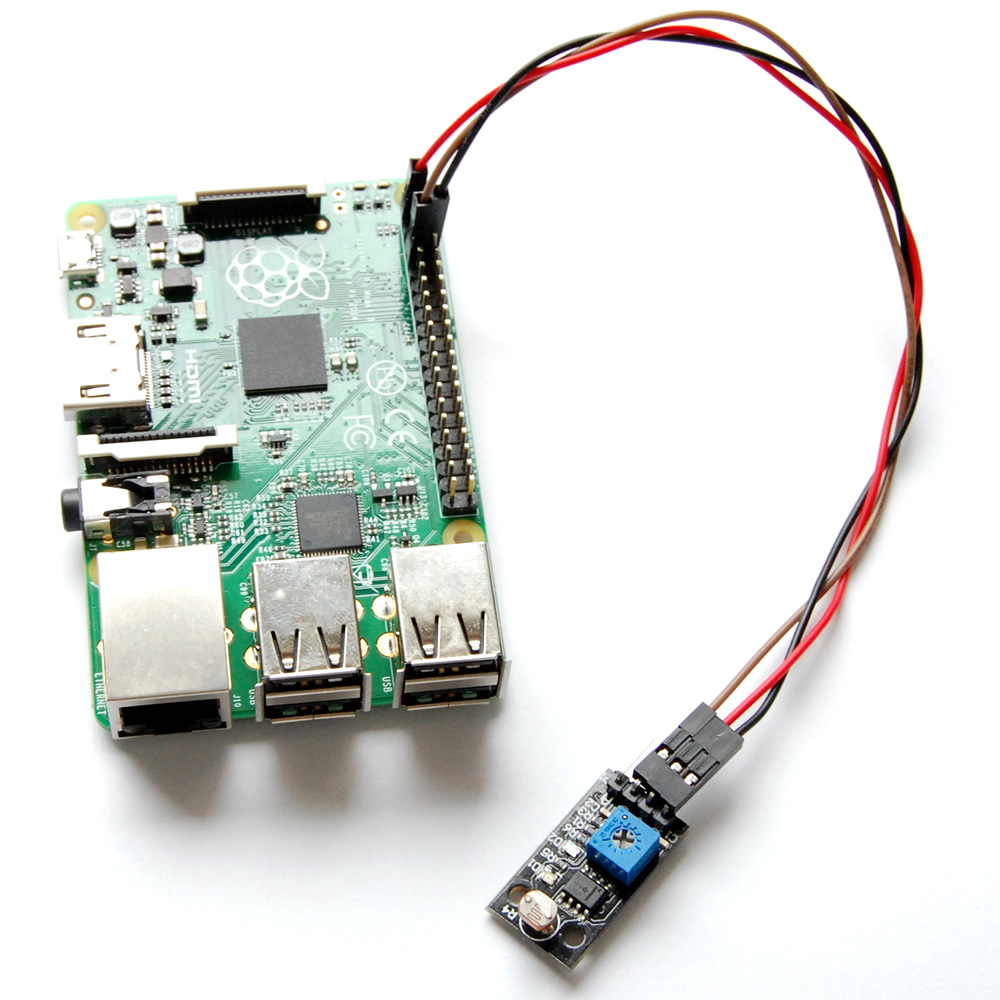
PxlMeter photosensor prototype

Prototype unit — photosensor and microcomputer

How It Works

Four steps from content to verified proof

1
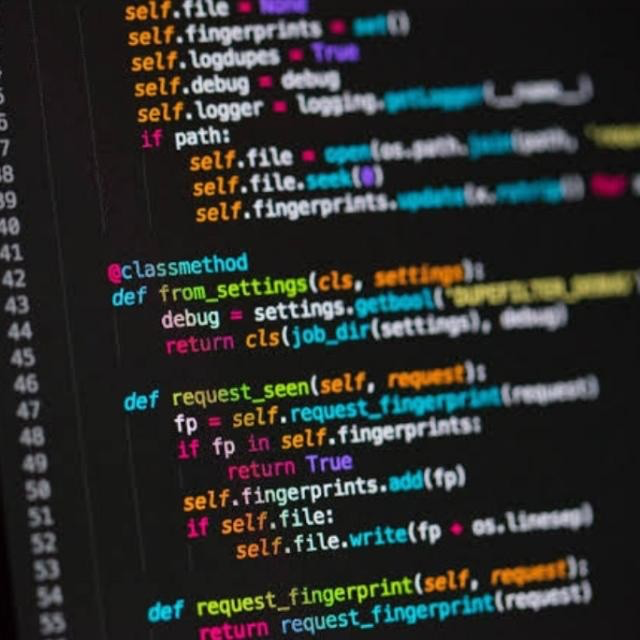
Code encoding visualization

Embed

During encoding, we add an invisible binary pattern to each frame. Think of it as a barcode made of light pulses — imperceptible to viewers, but carrying a unique content ID.

2

Detect

Our photosensor reads the screen's light output directly. No camera, no video, no privacy concerns — just a sensor capturing the light pulses that carry the embedded code.

3

Validate

A microcomputer decodes the signal and checks it against the expected play schedule. Content ID matches? Timestamp checks out? Screen ID confirmed? Verified play.

4

Report

Verified plays are logged with full metadata — exportable, API-accessible, audit-ready. Mismatches or failures trigger real-time alerts. You know before your client asks.

Technical Specs

Sensor Type High-sensitivity photosensor, 1kHz+ sampling rate
Processing ARM-based microcomputer, local processing, works offline
Installation Mounts behind screen bezel, invisible to public, 5 min setup
Compatibility Any screen, any player, any CMS — we read light, not signals
Power USB or PoE, under 5W consumption
Connectivity WiFi, Ethernet, or LTE — or fully offline with local storage

Why Hardware Wins

Software verifies software. Hardware verifies reality.

Player Logs
Veridooh
Cameras
PxlMeter
Tamper-proof
~
~
Physical verification
No phones required
Works anywhere
~
~
No privacy concerns
Real-time alerts
~
~
~
Scales economically

Veridooh uses watermarking + mobile detection — works well in urban areas with foot traffic, but requires phones nearby.

Who Uses PxlMeter

DOOH Networks

Prove delivery to advertisers. Reduce makegood disputes. Build trust with verified playback data.

Programmatic DSPs

Verify inventory quality for RTB buys. Hardware-level proof that impressions actually delivered.

Brand Advertisers

Audit compliance for regulated campaigns. Physical proof for pharma, CPG, and financial brands.

Let's Prove It Together

We have working hardware. We have working software. What we need is a real network to prove it at scale.

You're a good fit if:

  • You operate a DOOH network (50+ screens)
  • You've heard "prove it played" from advertisers
  • You're willing to pilot on 10-20 screens
  • You have a tech team who can integrate

What we bring:

  • Prototype hardware for your pilot
  • Engineering support during deployment
  • Custom development based on your needs
  • No long-term commitment — pilot first